3RD OCTOBER TO 26TH NOVEMBER
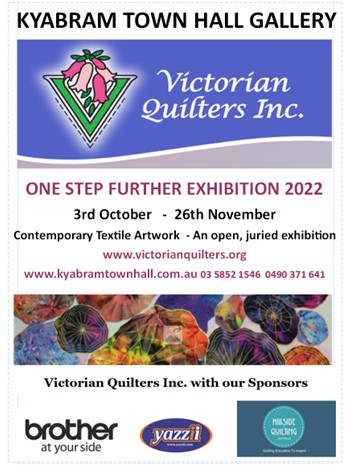
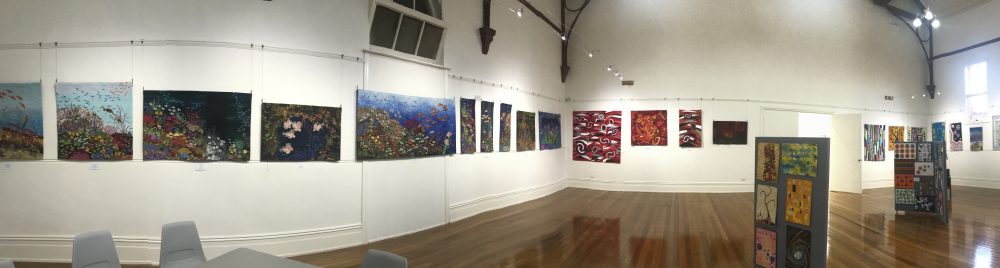
3RD OCTOBER TO 26TH NOVEMBER
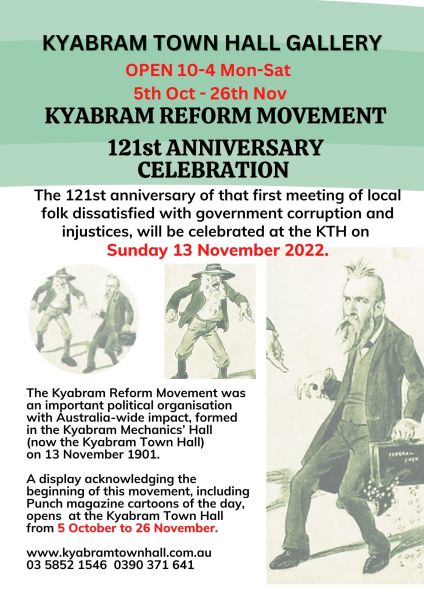
1ST AUGUST TILL 1ST OCTOBER 2022
Textile artist Deb Layt has been
creating fibre art since the early
1990’s. She ran a successful
patchwork and quilting business for
10 years before its closure in
2008.This gave her the opportunity
to pursue full time designing and
teaching. Deb enjoys the challenge
of new techniques and being
innovative. She loves applique and
designs many of her quilts with an
Australian flavour. Deb has won
numerous awards and was given
judges choice at the prestigious
International Quilt Show, Houston
Texas in 2010. Deb continues to
push the boundaries with her
designs using her many diverse
sewing machine skills to create
amazing fibre art.
DEB will be at the hall to meet visitors on
19th August
9th September
24th September.
ALSO DEB WILL BE CONDUCTING CLASSES with Catharina as follows
10th and 11th September is Geoweb- learn this new technique and how to add it to your quilts or into your textile art pieces
25th September is Feathers
Use your sewing machine to recreate authentic looking feathers of all types to add dimension to your work
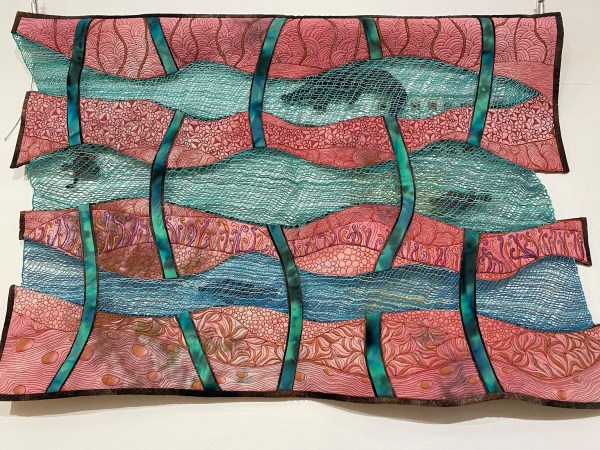
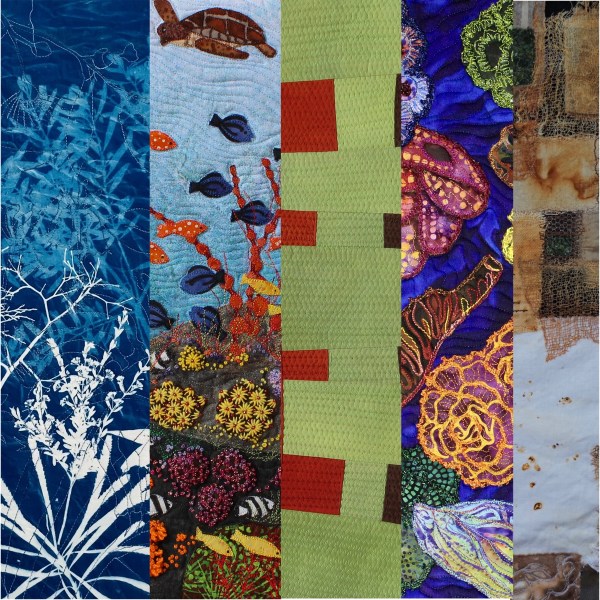
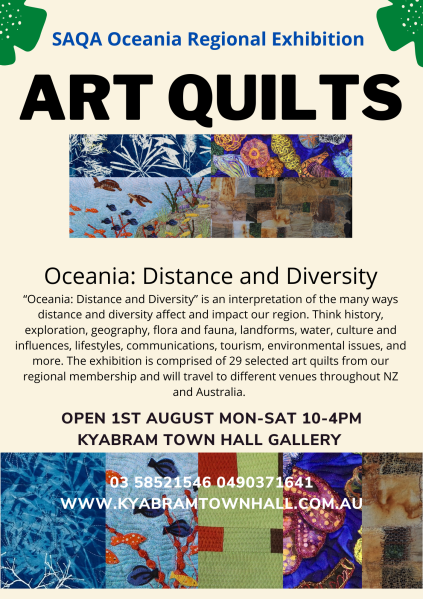
The exhibition is comprised of 29 selected art quilts from our regional membership of (SAQA) Studio Art Quilt Associates Oceania and will travel to different venues throughout NZ and Australia.
OPENS 1st August ends 1st October
OFFICIAL OPENING 6th AUGUST 2 pm
CONTEMPORARY ARTIST

Tarli Bird ‘Landscapes’ is an exhibition of landscapes that capture a combination of local and interstate locations.
Bird is an artist inspired by a passion for travelling and exploring. Intuition guides the recreations of her surroundings- re-imagining the built and natural environment with simple lines, colours, texture and patterns that extend the boundaries of representation.
With a deliberate application of acrylic, spray paint and embroidery, she uses each layer of materials to represent the effects of human action on the natural environment. The first layer of acrylic paint suggests human influence, the second of spray paint suggests human influences and the third layer of embroidery indicates the impact of both natural events and urban developments on a landscape.

 Kyabram Town Hall Gallery